A look at Kokuyo
Kokuyo: The Tools We Grow Up With
"Kokuyo Co., Ltd. (コクヨ株式会社), an industrial giant that has spent over a century quietly orchestrating how people organize, document, and physically interact with the workspace. If you attended school in Japan anytime after the mid-1970s, your desk was almost certainly anchored by a slim, spine-taped notebook bearing a single sans-serif word across its cover: Campus."

If you attended school in Japan anytime after the mid-1970s, your desk was almost certainly anchored by a slim, spine-taped notebook bearing a single sans-serif word across its cover: Campus. It is an object so ubiquitous in Japanese civic life that it borders on invisible infrastructure. Yet behind this humble student staple sits Kokuyo Co., Ltd. (コクヨ株式会社), an industrial giant that has spent over a century quietly orchestrating how people organize, document, and physically interact with the workspace.
Origins: Honoring the Province
Kokuyo’s story begins not with mass-produced paperbacks, but with the quiet discipline of Japanese double-entry accounting. In 1905, twenty-six-year-old Zentaro Kuroda founded Kuroda Hyoshi-ten (黒田表紙店) in Minami-Horie, Osaka, handcrafting durable covers for traditional thread-bound account books. Hailing from the rural Etchu Province (modern-day Toyama Prefecture), Kuroda chose the trademark Kokuyo (国誉), literally translating to “Honor of the Homeland,” as a personal vow to bring honor back to his birthplace through uncompromising manufacturing standards.

Kuroda Hyoshi-ten founded in 1905
(Source: https://www.kokuyo.com/about/history/)
As Japanese commerce modernized through the 1910s, Kuroda recognized that businesses were trading traditional calligraphy brushes for steel fountain pen nibs and Western-style bookkeeping. He commissioned smooth domestic papers capable of resisting liquid ink bleed, effectively pioneering Western-style ledger pads in Japan. By the late 1960s, Kokuyo expanded far beyond desktop paper goods into modern office furniture, filing infrastructure, and ergonomic design, eventually pioneering the "Live Office" concept in 1969 by turning their corporate headquarters into an open showcase of living workspace ergonomics.

Kokuyo's expansion from paper goods to office furniture in the 1960s
(Source: https://www.kokuyo.com/about/history/)
Engineering Out Desk Friction: The Kokuyo Philosophy
Kokuyo operates at a rare crossroads: combining the high-volume reliability of a commercial supplier with the obsessive material prototyping of an industrial design lab. Across their product portfolio, design decisions stem from a core philosophy of removing micro-distractions so focus can remain unbroken.
Take their approach to paper grain. While most manufacturers treat paper as a passive surface, Kokuyo treats it as an ergonomic variable. Their proprietary writing sheets are deliberately split into two tactile profiles: Sarasara (サラサラ), an ultra-smooth, low-friction surface engineered for quick ballpoint or gel ink glide, and Shikkari (しっかり), a slightly textured sheet that offers deliberate tactile resistance for pencils and fountain pen nibs.

The ultra-smooth Sarasara (Left) vs the textured Shikkari (Right) campus paper
This mechanical attention to detail extends directly into binding. In 1975, Kokuyo redesigned the standard exercise book by developing a wireless, laminated glue-and-cloth spine. The resulting notebook opened completely flat at 180 degrees without breaking the binding or dropping loose leaves over months of heavy use. Decades later, observing that students constantly struggled to draw clean margins and diagrams on ruled paper, Kokuyo introduced regularly spaced, micro-fine dots along every horizontal line. The dotted-rule offered the structural guidance of graph paper without the visual clutter of a full grid.

Kokuyo’s proprietary cross-laminated glue spine allows every page to lie entirely flat. Great for left-handed writers
Design as Laboratory: The Kokuyo Design Award
Unlike many heritage manufacturers that protect legacy molds, Kokuyo actively subjects its catalog to outside disruption. Founded in 2002, the KOKUYO DESIGN AWARD invites independent industrial designers worldwide to challenge ordinary desk tools, with Kokuyo committing its manufacturing plants to bringing the most radical winners into commercial production.
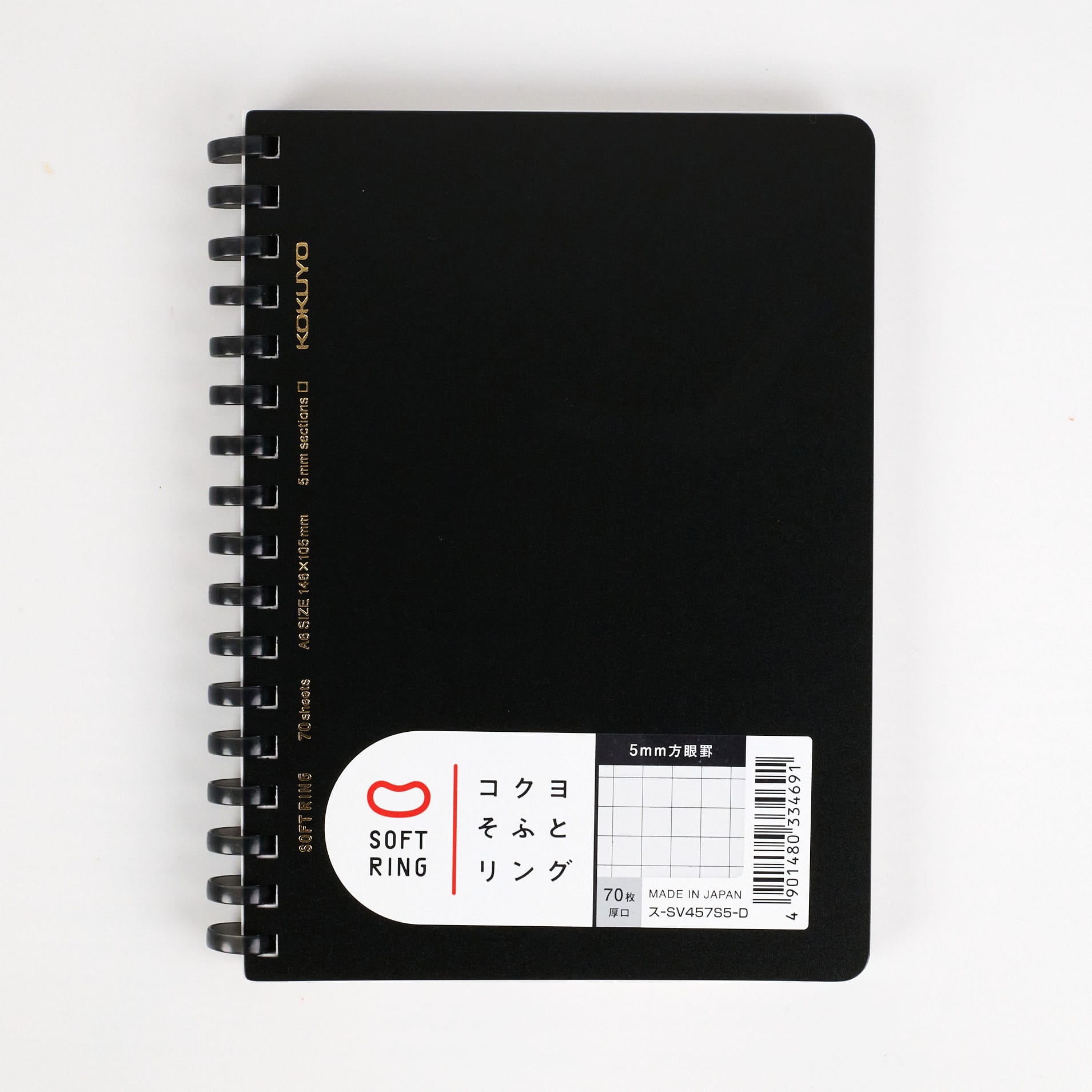
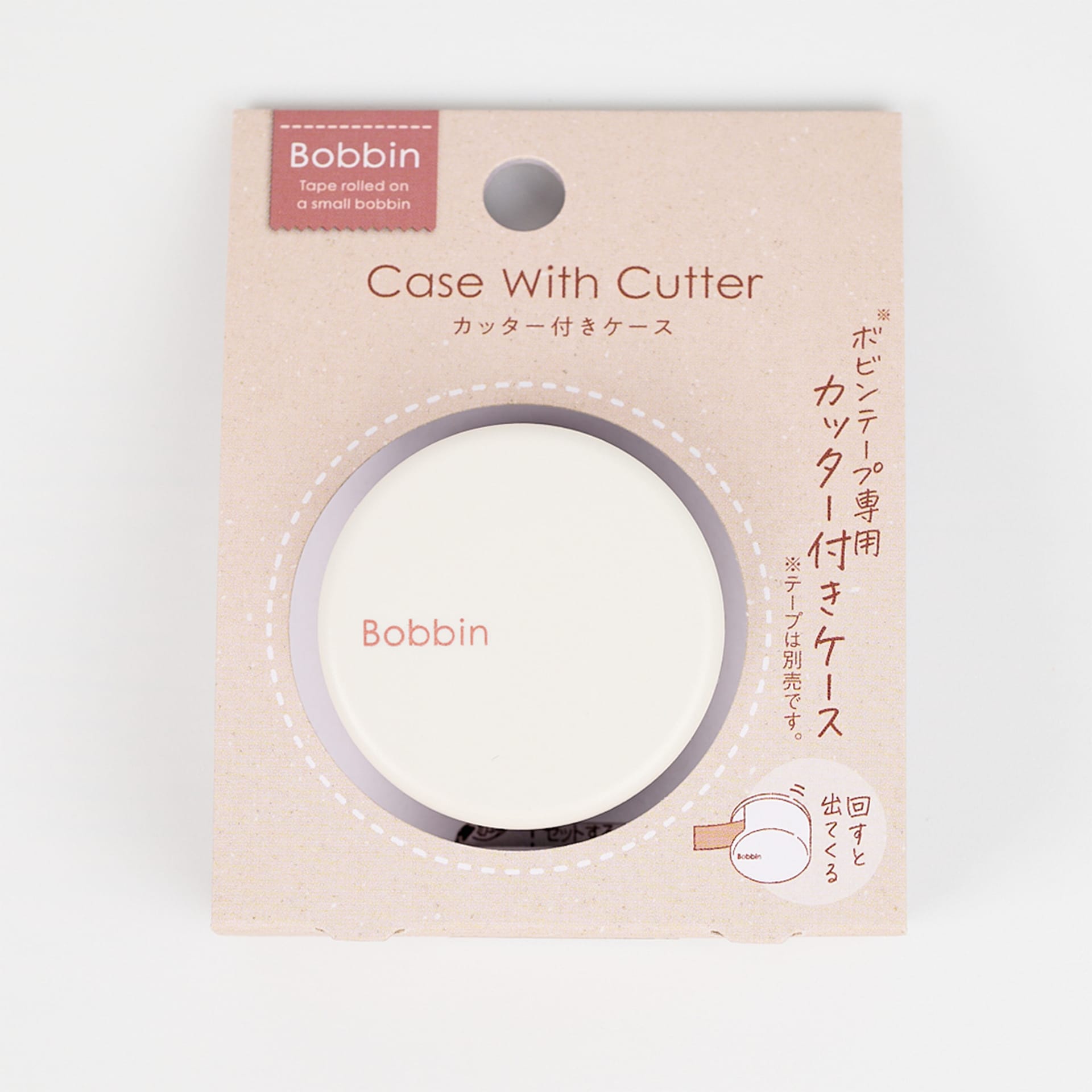
This laboratory model produced the famous Kadokeshi eraser in 2002, designed by Hideo Kambara. By staggering miniature interlocking cubes, Kambara solved the eternal problem of rounded eraser corners with twenty-eight distinct sharp vertices; as outer edges erode, new corners emerge, earning the design a permanent spot in MoMA’s collection. Other commercialized competition winners include the Beetle Tip Highlighter, which mimics a beetle's horn to yield three line widths with a simple wrist turn; the Soft Ring Notebook, which trades rigid wire for squishable resin rings; and the Bobbin series, which reimagines bulky rolls of washi tape as tiny, stackable sewing spools wound for compact travel.
Signature Kokuyo Tools
View Full Collection →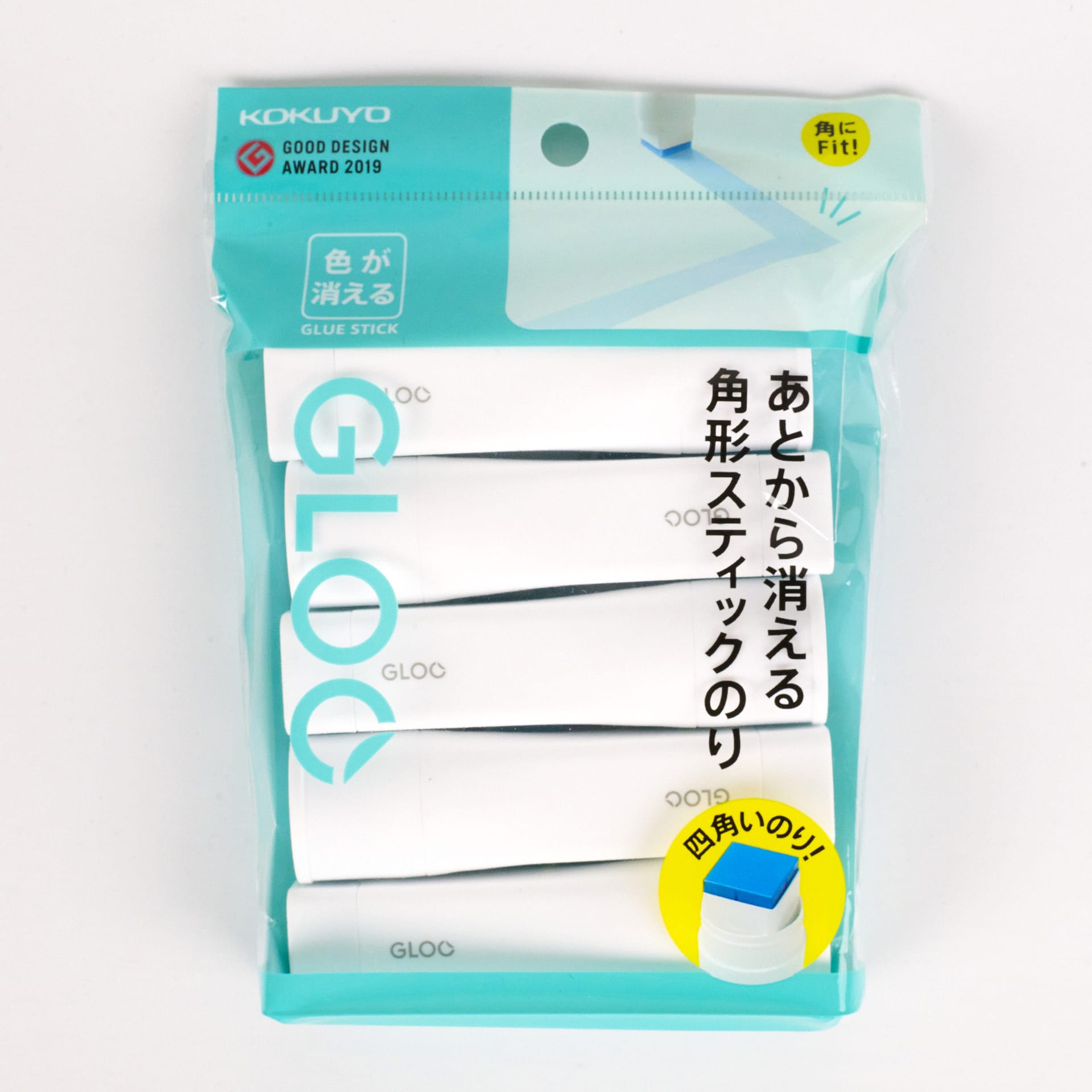
Explore the Kokuyo Collection
Shop for the latest Kokuyo products and other top Japanese stationery brands at Maison Rabbit. Imported directly from Japan.